The collaboration between a local DMC and an artistic producer is the standard formula in a well-produced MICE event in Barcelona. But how the collaboration is structured defines whether the project comes out flawless or turns into a silo war the client suffers in real time during execution.
This article breaks down the real flow of a MICE project with DMC + artistic producer: timeline, concrete roles, friction points and examples of cases we produce regularly for international clients.
The starting point: what the client contracts
An international client (global brand, tech company, pharma company, financial corporation) hires a DMC in Barcelona when it wants to delegate the full operations of the destination. The DMC becomes the single local coordination point.
The DMC, after closing the brief with the client, builds the shortlist of venues and specialized suppliers. In events with an artistic component (gala dinner, memorable opening/closing, immersive show), the DMC hires the artistic producer as a specialist supplier for shows and technical production.
The key point: the producer doesn’t replace the DMC or compete with it. Each one focuses on its core and the client sees a coordinated service.
Typical timeline of a MICE project with DMC + producer
Week 1-2 · Brief and shortlist
- DMC receives the brief from the international client (dates, attendee count, orientative budget, strategic goal of the event)
- DMC identifies that there is a relevant artistic component in the gala dinner (or convention opening/closing)
- DMC contacts the artistic producer: “I have a brief for X — can you propose shows?”
- Producer receives a summary brief and proposes shortlist of shows with orientative budget per option
Week 3-4 · Unified proposal to client
- DMC integrates the producer’s proposal within the global proposal to the client (venue, catering, logistics, show, technical production)
- Client sees a single proposal with all concepts integrated and closed prices
- Client approves the general package and asks for 1-2 iterations on specific details
Week 5-8 · Contracting and kick-off
- DMC signs with client and hires the producer as subcontractor
- Technical kick-off among the 3 parties (client + DMC + producer) to align expectations and delivery timing
- Producer blocks artists and produces contracts with talent
- DMC blocks venue, catering, hotels, transfers
Week 9-12 · Production
- Producer develops artistic concept, choreography, music, staging
- DMC coordinates the general timeline of the event and logistical needs for the show (artist arrival, accommodation, transport, hospitality rider)
- Weekly or biweekly meetings between DMC and producer for sync
- Client receives updates every 2 weeks with visual progress and timing
Week 13-14 · Preparation and rehearsal
- Producer conducts technical visits to the venue with DMC and venue manager
- Technical rehearsals with the full team (48-72h before the event)
- DMC coordinates attendee arrival and event-day logistics
- Last sync meeting among the 3 parties 24h before
Event day · Execution
- Producer executes the show and coordinates artistic timing during the event (technical and artistic direction)
- DMC coordinates the general guest flow, hospitality, operational incidents
- Client leads the commercial moment (speeches, presentations, toasts) — supported by both figures
Post event
- DMC delivers reporting and coordinates administrative closures with suppliers
- Producer delivers deliverables (official show photos, video, technical memory)
- Joint post-mortem to learn from the project
Clear roles: what each one does at each moment
| Phase | DMC | Artistic producer |
|---|---|---|
| Initial brief | Client interface | Waits for summary brief |
| Proposal | Integrates + presents | Proposes show + budget |
| Contracting | Signs with client | Signs with DMC |
| Production | General timeline + logistics | Concept, artists, technical |
| Venue | Contracts + coordinates | Technical visit + on-site production |
| Rehearsals | Coordinates logistics | Directs |
| Event day | General flow | Show + artistic direction |
| Reporting | Global | Artistic component |
Real example · International convention with gala dinner
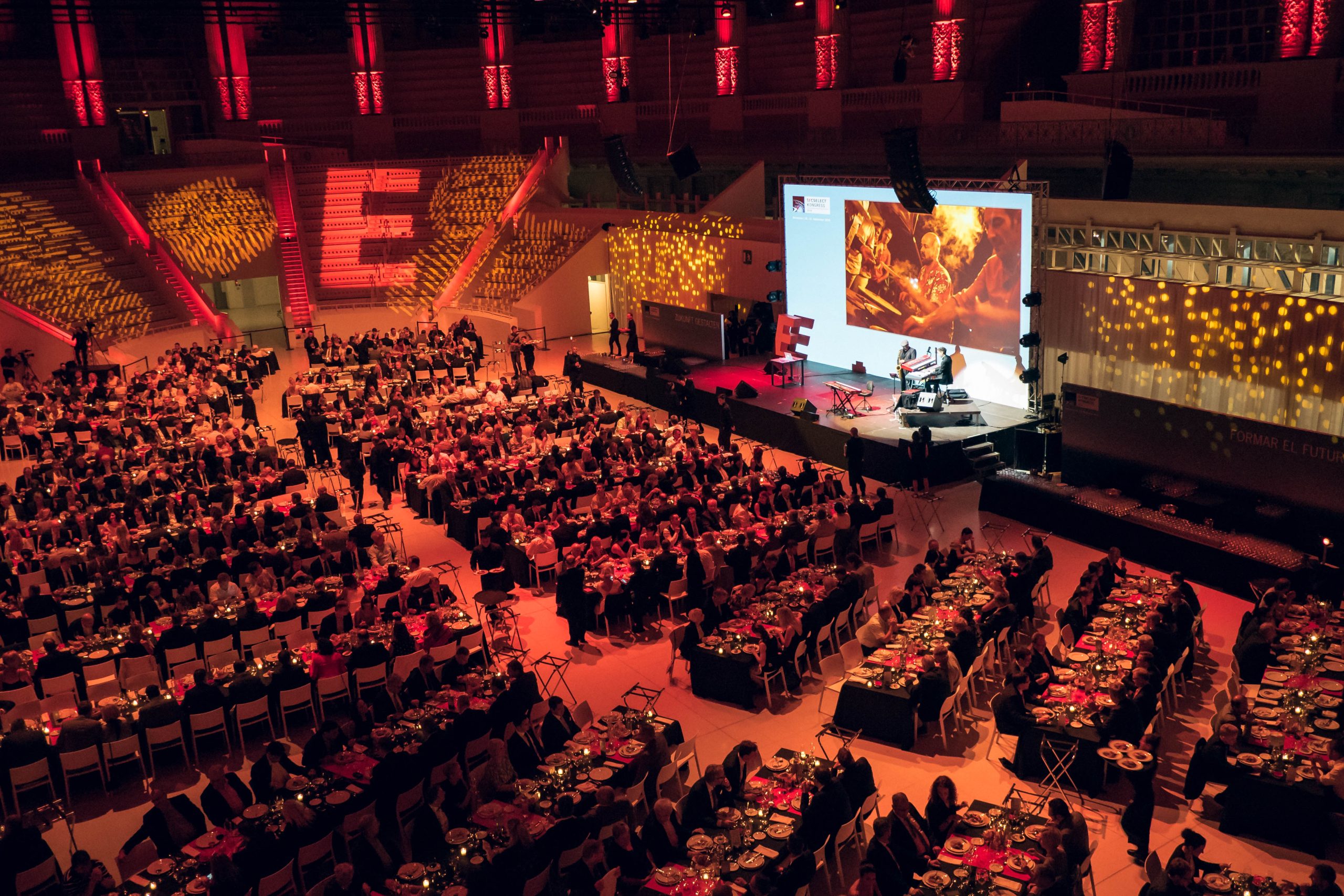
We produced the Allianz India annual convention using this format: 500 international attendees over 3 days in Barcelona with a closing gala dinner. The local DMC managed hotels, transfers and venues. We managed the entertainment throughout the 3 days + the main show of the gala dinner. Weekly coordination + a single responsible person per side (one person per team) made the flow smooth.
Another similar example: the Gartner Symposium — 3 days of convention with 60 artists rotating across different formats by time slot. The DMC coordinated attendee flows and catering; we produced the continuous artistic layer.
The 3 moments where a collaboration breaks
If the DMC-producer collaboration fails, it almost always happens in one of these 3 moments:
1. In the initial brief
When the DMC doesn’t share the full brief with the producer and the producer has to “guess” what the client expects. Result: show proposal not aligned with the commercial message of the event. Fix: summary but explicit brief in writing, not oral.
2. In technical production
When the DMC promises the client things that are technically unviable (laser in a heritage venue with strict regulations, aerial without sufficient height, mapping on unsuitable surface). Fix: joint technical visit to the venue in the proposal phase, not the execution phase.
3. On event day
When there is no clarity on who commands what and when — direction of the show during the show, artistic timing, communication with the client if something changes live. Fix: written role matrix before the event + dedicated walkie or communication channel on the day.
Frequently asked questions
Is it always the DMC who hires the producer, or can the client hire directly?
Both formats are valid. When the DMC hires the producer as subcontractor, operations are simpler for the client (one invoice, one destination point of contact). When the client hires both directly, they have more control but need to personally coordinate the flows.
What if the international DMC has no previous relationship with producers in Barcelona?
They contact us directly — it’s common. If the international DMC is looking for an artistic partner for an event in Barcelona, we can enter as specialized supplier with express briefing. We have experience working with DMCs from Germany, UK, USA and India.
What information does the producer need to make an initial proposal?
Minimum: event date, attendee count, event type (gala dinner, convention opening/closing, launch, anniversary), venue (or shortlisted venues), orientative budget for artistic component and strategic goal of the event (branding impact, celebration, team engagement). With that we can propose 2-3 show options with budget in 48-72h.
What is the minimum timing to launch a project with DMC + producer?
Ideally 3-4 months. In urgent projects we have executed with 6 weeks, but only if the brief is very clear and the show is a known format. Less than 6 weeks: only for single artistic shows or quartets (where artistic production is limited).
Are you a DMC or agency looking for an artistic partner in Barcelona? We work regularly as artistic producer for DMCs and agencies · explore case studies with global brands.